Coolcation Europe 2026: New Hotels for Cooler Summer Escapes
A curated Fresh Hotel Guide route through cooler European summer bases, with 15 new and recent hotels across the Nordics, Baltics, Atlantic edge and Alps.
- 2026 updated
- Northern Europe & Alps destination spread
- 15 curated hotels
Map the cooler summer route across Europe
Explore the 15 selected hotels across the Nordics, Baltics, Atlantic edge and Alps, from Arctic landscapes and waterfront capitals to coastal estates and mountain retreats.
Coolcations are moving from travel buzzword to practical summer strategy. As European heatwaves, crowded peak-season city breaks and more flexible planning reshape summer travel, cooler bases in Northern Europe, Atlantic-facing regions and higher alpine valleys are becoming more attractive.
This Fresh Hotel Guide selection focuses on new and recently opened hotels that make sense for a cooler 2026 summer escape. It does not promise cold weather. Instead, it highlights places where climate, landscape and hotel positioning give travellers a different kind of summer: coastal air, forest and fjord access, mountain evenings, Nordic design, spa culture and fewer hours spent hiding from midday heat.
Coolcation Europe at a glance
- 15
- Curated new and recent hotels
- Nordic, Baltic, Atlantic, Alpine
- Guide regions
- Coast, city, forest, mountain
- Summer base types
A northern coolcation stay to know
Gáldu Hotel & Spa in Saariselkä brings the coolcation idea to its most literal form: a small northern Finland retreat shaped by forest, sauna culture, outdoor air and a sense of escape far beyond the usual summer circuit.

Gáldu Hotel & Spa
Gáldu Hotel & Spa is a new boutique retreat in Laanila, just outside Saariselkä, set on the edge of Urho Kekkonen National Park for quick access to trails, ski routes and the quiet of Lapland forest. The hotel has 31 rooms, styled with a clean, contemporary Nordic sensibility and geared to travellers who want comfort after a day outdoors. The on-site restaurant positions itself as top-tier, working with local ingredients and adding global touches without losing a sense of place. The standout is the forest spa: an outdoor, serene setup tucked among trees, designed for slow afternoons and post-adventure recovery. Overall, it’s a compact, well-focused base for national-park time with a polished, restful feel.
Travel trend
Why coolcations matter in 2026
The best coolcation guide is not a list of cold places. It is a planning tool for travellers who still want culture, design, food and strong hotels, but would rather spend summer near water, forest, northern light, mountain air or long evenings than in overheated city streets.
That makes the hotel choice important. A good coolcation base should do more than sit in a cooler climate. It should connect the trip to the surrounding landscape: a beach town on Denmark's north coast, a Nordic capital with waterfront access, an Irish estate by the Atlantic, a Scottish Highland retreat or an alpine hotel built around spa, hiking and slow evenings.
Nordic cities are the easy entry point
Copenhagen, Helsinki, Oslo and Stockholm work well for travellers who want a cooler summer without giving up restaurants, museums, design shops and walkable city days. The climate still needs checking before travel, but these cities make the shift away from overheated southern city breaks feel natural rather than like a compromise.
For hotel discovery, the Nordic angle is especially strong because many new properties already speak the language of calm interiors, natural materials, water access and wellness. That gives the guide a clear editorial thread instead of a loose geography.
Nordic coast and city hotels
These hotels keep the guide close to water, Nordic design and city infrastructure: a Danish Riviera seaside project, Copenhagen sustainability, Helsinki luxury, central Oslo, Stockholm heritage and a southern Swedish rail-and-coast base.

CORI Hornbæk Hotel
Set on Hornbæk’s beachfront in Denmark’s northern Riviera, CORI Hornbæk Hotel is being introduced as a contemporary seaside hideaway with a strong sense of place. The property leans into coastal calm rather than formal hotel polish, with room categories ranging from compact Comforts to larger suites and two-level townhouses. The setting is the main draw: sea views, beach walks, and easy access to Hornbæk’s year-round life. A spa, pool, fitness facilities, restaurant and bar, and curated local experiences round out the stay, giving it the feel of a small resort built for slow mornings and long evenings by the water.

1 Hotel Copenhagen
Set in Copenhagen’s historic centre on Krystalgade, 1 Hotel Copenhagen is positioned for easy walks to the old city’s lanes, churches, and cafés, with the everyday rhythm of the capital right outside. The hotel’s mood leans calm and nature-forward, balancing urban stone and greenery in a way that suits a city built on clean lines and quiet water. Rooms and suites are designed as a retreat from the streets—pared-back, comfortable, and oriented to rest after long days of museums, markets, and canal-side wandering. Public areas function as an indoor refuge, with lounge spaces that invite a slower pace between meetings or sightseeing. Expect on-site dining and a calendar of events and experiences that nod to local culture while keeping the focus on Copenhagen’s walkable, lived-in centre.

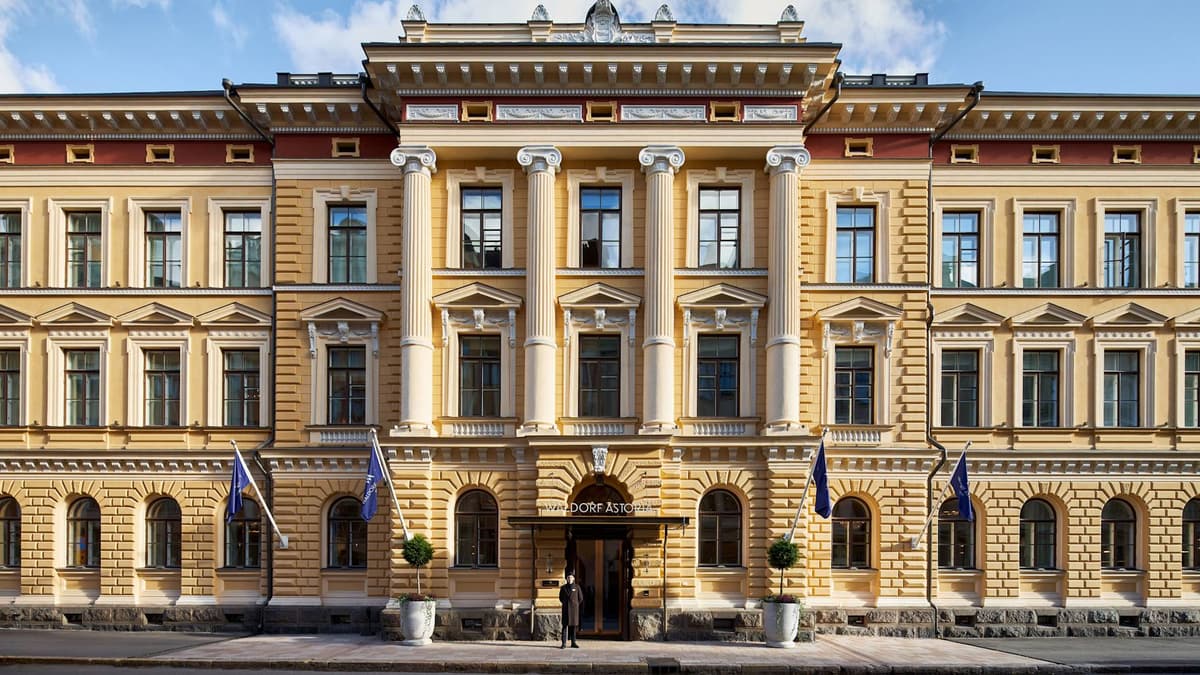
Waldorf Astoria Helsinki
Located in central Helsinki near the waterfront and key cultural landmarks, Waldorf Astoria Helsinki brings the brand’s refined luxury to a distinctly Nordic setting. The architecture blends contemporary elegance with subtle references to Finnish heritage, while interiors highlight clean lines, light woods and natural materials. Spacious rooms and suites create a calm, luminous atmosphere tailored to comfort in a northern climate. Culinary venues focus on Scandinavian ingredients with international inspiration, complemented by a sophisticated spa and wellness facilities. The property offers a polished urban retreat where understated design meets elevated hospitality in Finland’s vibrant capital.

Scandic Go, Grensen 20
Scandic Go, Grensen 20 sits right in the center of Oslo, a short walk from Karl Johans gate and the city’s main shopping, culture, and nightlife. The hotel is part of Scandic’s Scandic Go concept, built around a streamlined stay with mobile check-in, self-service touches, and the essentials handled without fuss. Rooms are simple, practical, and geared toward short city stays, with Wi-Fi, luggage storage, and laundry facilities among the key on-site conveniences. Food and drinks are available around the clock, matching the pace of a city break where you are usually out more than in. It is an urban base for travellers who want location and efficiency over ceremony.

Stockholm Stadshotell
Stockholm Stadshotell is a city hotel in central Stockholm, designed for travelers who want a practical base with a sense of place. Behind its straightforward name you can expect a classic urban setup: a lobby that works as a meeting point, calm guest rooms geared toward sleep after long days on the move, and a layout that keeps you close to the city’s everyday rhythm rather than sealing you off from it. Public transport, waterfront walks, and the main shopping and museum districts are typically within easy reach from this part of town, making it simple to plan days by foot and metro. Look for a breakfast room or café-style option for early starts, plus the usual essentials such as Wi‑Fi and a front desk that helps with local orientation.

Willow Hotel, WorldHotels Crafted
Willow sits in Trelleborg, Sweden’s southernmost city, with wide views toward the coast, the sea and the open landscape. The hotel is a newly opened, design-led high-rise with a modern profile and interiors that lean into Art Deco touches, natural materials and a warm, polished palette. Accommodation is spacious and light, with rooms and suites arranged for comfort rather than fuss, and many looking out toward the water. The food-and-drink offer is spread across the house: a breakfast room, a brasserie for more settled meals, a rooftop bar with a livelier mood, and a sports-led venue for a more casual stop. Above it all, the spa and pool club bring together indoor and outdoor pools, sauna and steam room, making the hotel feel like a self-contained base for coast, business and slow weekends alike.
Go further north when the hotel is part of the experience
The Arctic edge is not only for winter. In summer, long light, cooler air and outdoor days create a completely different version of Europe. The strongest hotels here need to do more than offer a bed: they should help travellers slow down, recover and feel connected to the surrounding landscape.
Tallinn adds a softer Baltic version of the same logic. It is not Arctic, but its compact old town, sea access and growing hotel scene make it useful for travellers who want a cooler city break with heritage character.
Arctic-edge and Baltic stays
Use these as sharper alternatives to the usual summer city circuit: northern Finland for spa and forest, Tromsø for Arctic air and harbour access, and Tallinn for a cooler Baltic city break with a strong old-town setting.
Gáldu Hotel & Spa
Gáldu Hotel & Spa is a new boutique retreat in Laanila, just outside Saariselkä, set on the edge of Urho Kekkonen National Park for quick access to trails, ski routes and the quiet of Lapland forest. The hotel has 31 rooms, styled with a clean, contemporary Nordic sensibility and geared to travellers who want comfort after a day outdoors. The on-site restaurant positions itself as top-tier, working with local ingredients and adding global touches without losing a sense of place. The standout is the forest spa: an outdoor, serene setup tucked among trees, designed for slow afternoons and post-adventure recovery. Overall, it’s a compact, well-focused base for national-park time with a polished, restful feel.

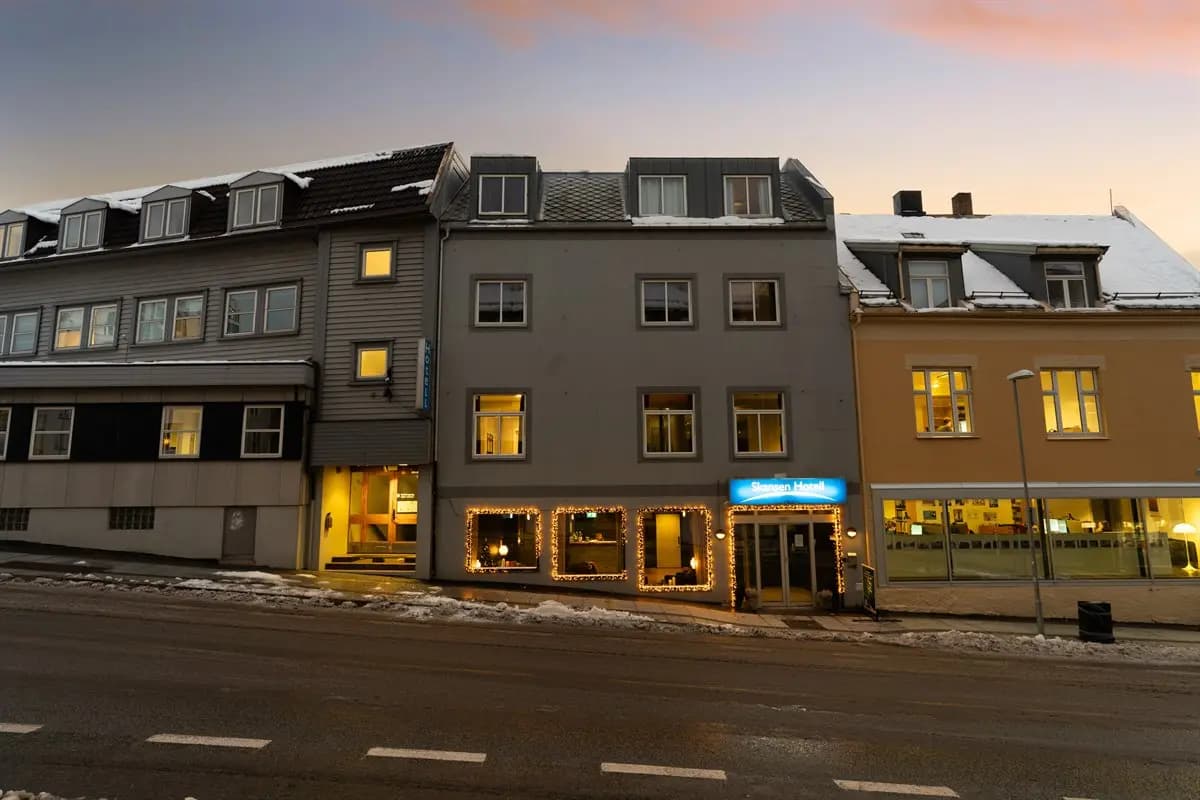
Hotell Skansen
Hotell Skansen sits in Tromsø’s historic old town, a practical base with a bit of local character rather than a polished chain-hotel sheen. The property dates back to 1983 and offers more than 40 rooms, ranging from compact singles to doubles, triples, suites, and junior suites. Inside, the look is straightforward and modern, with free Wi‑Fi, breakfast included, a lobby lounge, and parking for guests arriving by car. The setting is one of its strongest assets: close to the city centre, the harbour, and the older parts of town, yet still calm enough to feel like a place to return to after a day in the Arctic air.

The Burman Hotel
In Tallinn, The Burman Hotel presents itself as a small, story-rich retreat with a classic, composed atmosphere and a strong sense of design. Positioned as the city’s oldest and more intriguing address, it leans into heritage without feeling museum-like, pairing refined interiors with contemporary touches. Accommodation is limited to 17 rooms and suites, styled with curated artwork, tailored furnishings and a palette of marble and warm metallic accents; handmade mattresses and an extensive pillow menu underline the focus on sleep comfort. Dining is framed as “inspired” and rooted in a fusion of flavours and older culinary traditions, suited to unhurried evenings. A spa and wellness area rounds out the stay, set up as a quiet reset for mind and body, with generous daily opening hours and treatments on selected days.
The Atlantic edge is the softer coolcation
Not every coolcation needs to go north of the Arctic Circle. Ireland and Scotland offer a gentler summer alternative: ocean air, green landscapes, changeable weather, estate hotels, walking days and evenings that are more about food and fireplaces than air conditioning.
These hotels are useful for travellers who still want a proper summer holiday, but with less emphasis on beach heat. They also help Fresh Hotel Guide move beyond capital-city hotel openings into the landscapes where the coolcation trend feels most believable.
Atlantic and Highland hotel bases
Westport, Galway Bay and Aberfeldy give the guide a landscape-led counterpoint to the Nordic city stays: coastal Ireland, western light, estate settings and a Scottish Highland base.

The Grace
Set within Westport Estate on Ireland’s Wild Atlantic Way, The Grace is a contemporary retreat with a strong sense of place. The hotel has 129 rooms and suites, including Deluxe, Grand Deluxe, Premium and suite categories, many shaped by views of the estate, Clew Bay and the surrounding Mayo landscape. Dining is split between Kelly’s, a calmer bar-and-lounge space, and Black Sheep, where the mood is more assured and the cooking more fire-led. There is also a spa, pool and gym, so the hotel works as both a base for exploring and a place to slow down. It feels rooted in the West rather than copied from anywhere else.

The Hawthorn by Galway Bay
Set on the coast near Oranmore, The Hawthorn by Galway Bay is a new five-star hotel shaped by its setting between Galway Bay, Renville Woods and the wider sweep of the west of Ireland. The property pairs quiet, contemporary design with a resort-like mix of rooms, suites and penthouse suites, plus sea-view dining, a spa and a golf-led leisure offer. It feels built for travellers who want space, scenery and a slower rhythm, without losing touch with Galway City. The mood is polished but not fussy, more west coast retreat than formal city hotel.

Dun Aluinn
Dun Aluinn sits above Aberfeldy on a quiet rise, wrapped in 5.5 acres of private grounds with wide views across the Tay Valley toward Schiehallion. It is a restored Victorian house rather than a conventional hotel, now taking individual room bookings as well as exclusive-use stays. The house has nine individually designed bedrooms, all ensuite, with a mix of period character and contemporary pieces, plus shared lounges, a long dining table, a cinema room, and a wood-fired cedar hot tub tucked into the trees. Service leans personal and attentive, with housekeeping, turndown, and a butler-style rhythm that suits the setting.
Alpine and lake-country retreats
The alpine chapter is for travellers who want cooler evenings, hiking access, spa time and a slower rhythm. Switzerland and Austria make the coolcation idea feel restorative rather than evasive.

Huus Quell by Appenzeller Huus
Set at around 900 metres in the Alpstein range in Appenzellerland, Huus Quell by Appenzeller Huus is a contemporary 5-star retreat and a member of The Leading Hotels of the World. The house focuses on quiet comfort: 30 rooms and suites pair clean-lined architecture with warm materials, framed by wide alpine views. The centrepiece is the 2,200 m² spa and wellness area, designed for unhurried days with sauna and steam bath, treatments, and tailored activity programmes that can include meditation, supported by thoughtful, health-minded cuisine. Dining sits within the wider Appenzeller Huus collection, led by Executive Chef Carsten Kypke, while wine becomes its own destination in Switzerland’s largest wine cellar, curated by cellar master Hans Rhyner for tastings in an atmospheric setting.

eriro Alpine Hide
Set at 1,550 m above Ehrwald in Tyrol, with the Zugspitze looming overhead, eriro Alpine Hide is a deliberately small mountain retreat: just nine suites designed for quiet immersion in the alpine landscape. Architecture and interiors lean into local materials—stone, timber from the property’s own forests, and natural textiles from the Alps—kept restrained and warm rather than ornate. Floor-to-ceiling windows pull the weather and light into the rooms, so the day’s mood becomes part of the décor. The atmosphere is part hut, part contemporary refuge, built around time outdoors and unhurried routines. Dining follows an “origin” kitchen concept, using regional ingredients and traditional Tyrolean references, with dishes shaped by season and served with a tactile, natural presentation. The stay is framed by an all-in service and a curated set of mountain experiences and simple rituals that keep the focus on the essentials.

Rosewood Schloss Fuschl
On the wooded shores of Lake Fuschl, east of Salzburg, Rosewood Schloss Fuschl is a restored castle hotel that plays its setting straight: water, mountains, and a sense of old-world calm without feeling museum-like. Rooms and suites lean classic and tailored, with lakeside views as the main decoration, and an atmosphere suited to couples, families, and small celebrations. Dining is a central part of the stay, from Salzkammergut-focused cooking at Schloss Restaurant to the lake-facing Seeterrasse, plus a rustic Vinothek with a Wirtshaus feel. The Sisi Teesalon handles pastries and afternoon tea before shifting into an evening lounge, while Schloss Bar and its Whiskey Room cover the darker spirits. Outdoors, the See Club brings a relaxed waterfront base, and the hotel’s curated experiences range from herbal hikes and guided fishing to boat outings on the lake.
“The best coolcation hotels are not escapes from summer. They are better ways to experience summer.”
How to plan a coolcation without overpromising the weather
A coolcation is a direction of travel, not a weather guarantee. Before booking, travellers should check seasonal averages, current forecasts, room cooling, public-transport links and whether the stay still works if the weather turns wet rather than simply cool.
The best approach is to choose a base with more than one reason to travel: a Nordic capital with museums and harbour walks, an Atlantic estate with spa and food, or an alpine retreat with hiking, wellness and strong indoor spaces. That way the trip remains useful even when summer behaves unpredictably.
Frequently asked questions
What is a coolcation?
A coolcation is a summer trip planned around cooler or more temperate conditions, often in northern, coastal, forested or higher-altitude destinations. It is not a promise of cold weather, but a way to avoid the most overheated summer travel patterns.
Where should I go for a coolcation in Europe in 2026?
Good starting points are Denmark, Finland, Norway, Sweden, Estonia, Ireland, Scotland, Switzerland and Austria. The right choice depends on whether you want a city break, a coastal escape, forest and spa time, or an alpine summer base.
Are coolcation destinations always cool in summer?
No. Cooler destinations can still have warm spells or heatwaves. Travellers should check current forecasts, room comfort, air-conditioning or ventilation details and cancellation flexibility before booking around a specific temperature expectation.
Which hotels in this guide are best for a Nordic city coolcation?
1 Hotel Copenhagen, Waldorf Astoria Helsinki, Scandic Go Grensen 20 in Oslo and Stockholm Stadshotell are the clearest city-based options. CORI Hornbæk Hotel and Willow Hotel add a stronger coast-and-rail feeling.
Which hotels are best for mountains and wellness?
Huus Quell by Appenzeller Huus, eriro Alpine Hide and Rosewood Schloss Fuschl are the strongest alpine and lake-country choices, especially for travellers who want hiking, spa time and cooler evenings.
How did Fresh Hotel Guide select these hotels?
The selection prioritises new, recently opened or recently renovated hotels in cooler European regions, with enough location quality and travel context to support a real summer itinerary rather than a random list of hotels.
Plan a cooler European summer
Use Fresh Hotel Guide to compare new and recently opened hotels across cooler European regions, then build your own route around weather, rail access, landscape and hotel character.