Outdoor Hotel Trends 2026: 10 New Nature Hotels to Know
Outdoor hospitality is no longer just glamping. In 2026, the most interesting nature-led hotels use safari landscapes, rainforest edges, protected coastlines, coral reefs and remote reserves as the main reason to travel.
- 2026 updated
- 10 hotels curated examples
- Safari, rainforest, reef, coast guide focus
The outdoor hotel trend in 2026 is broader than tents and campfires. The strongest new and recent openings are turning nature into the operating system of the stay: game drives at dawn, river safaris, treetop rooms, coral-reef access, jungle trails, open-air wellness and design that frames the landscape instead of hiding from it.
This Fresh Hotel Guide selection uses 10 properties to show the shift. Some are true 2026 openings, such as Mantis Hiddn in Addo, Anantara Tented Camp Kafue River, Miraval The Red Sea and Amanvari. Others opened recently but are important for understanding what travellers will look for in 2026: conservation-led safari, rainforest immersion, island wellness and coastal luxury with a stronger outdoor rhythm.
Outdoor hotels at a glance
- 10
- FHG hotels selected
- Africa, Asia, Middle East, Americas
- Regions covered
- Safari, rainforest, reef, coast, wilderness
- Landscape types
A new outdoor hotel that captures the trend
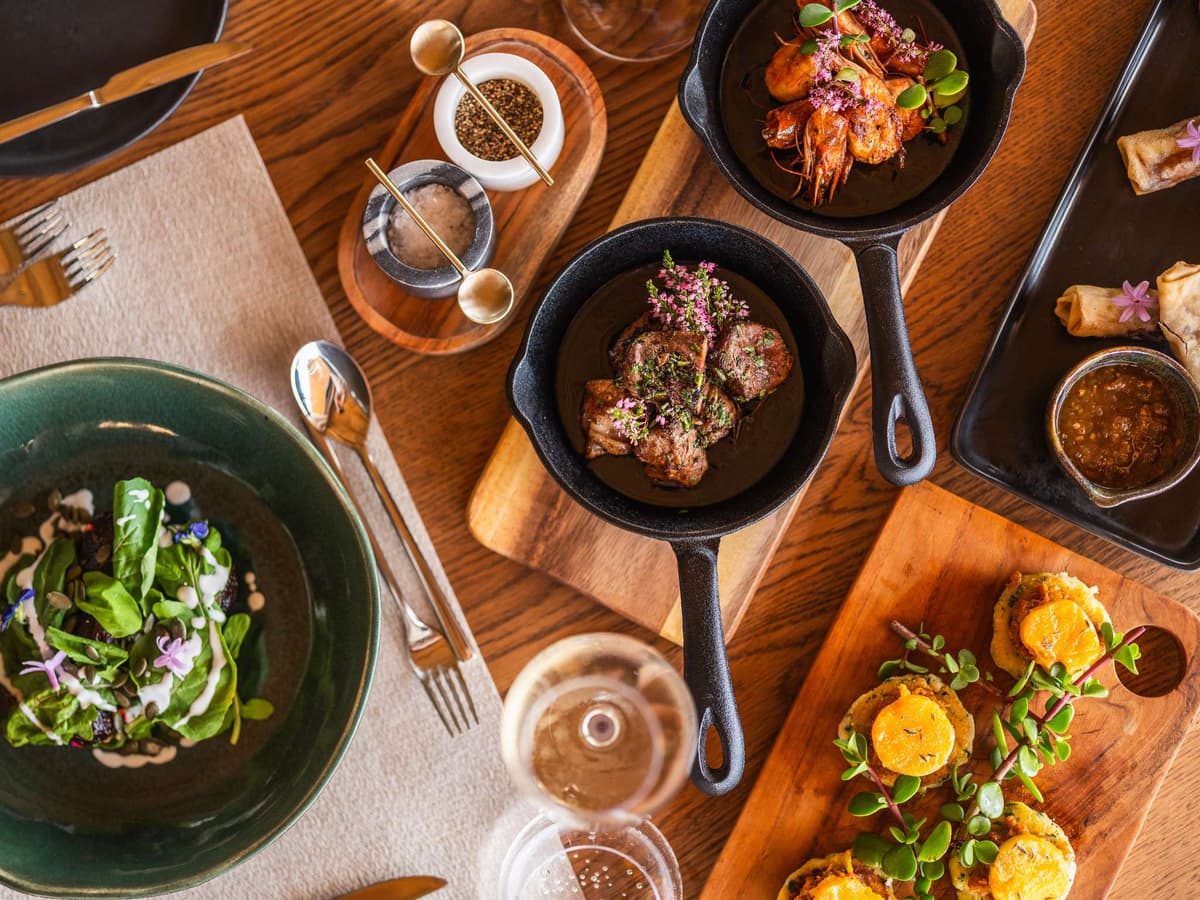
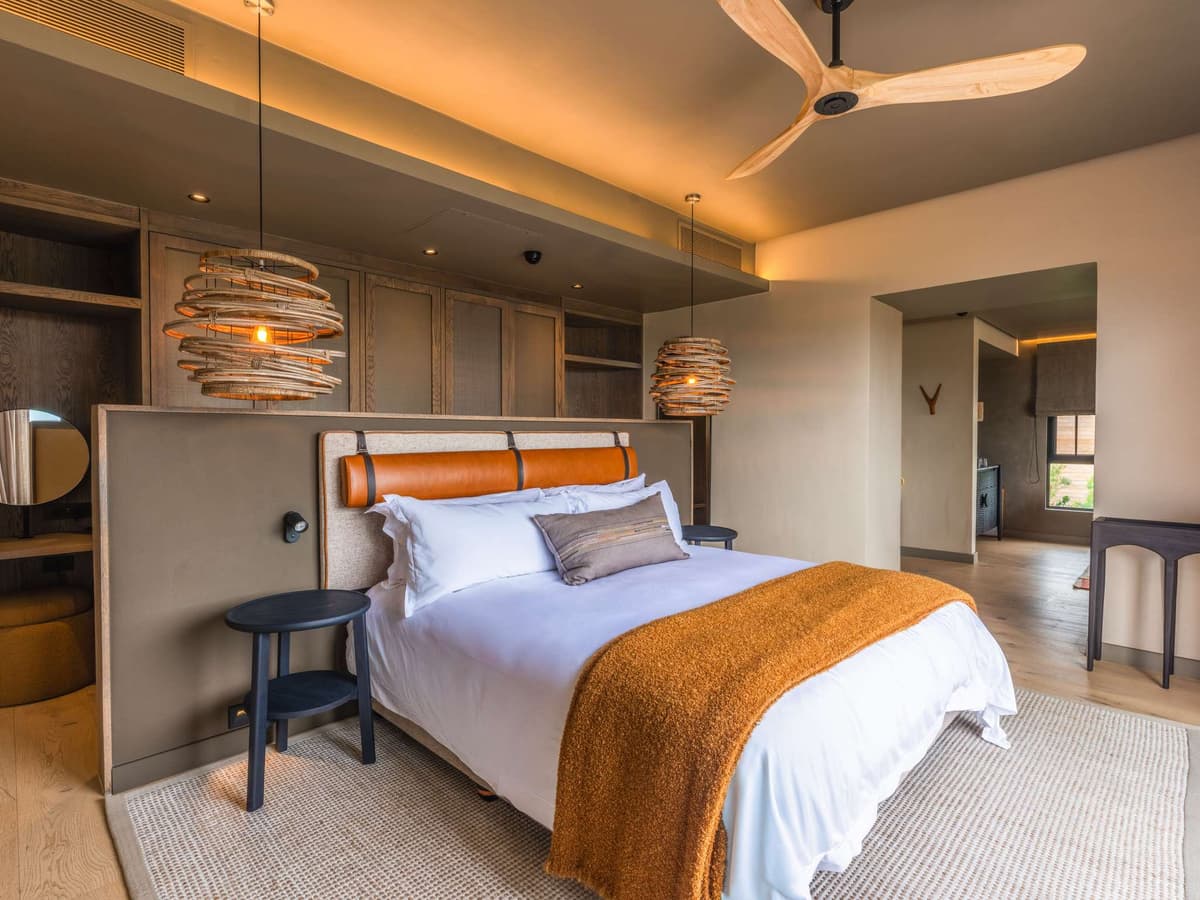
Mantis Hiddn in Addo is the clearest 2026 example in this selection: a small eco-lodge in an 800-hectare private reserve where low-impact design, seclusion, wildlife access and seasonal food make the landscape the core of the stay.

Mantis Hiddn in Addo
Mantis Hiddn in Addo is an upscale eco-lodge set within an 800-hectare private reserve in South Africa’s Eastern Cape, positioned for wide-open views and a real sense of seclusion. The property is designed around a low-impact, nature-led stay, with sustainable materials, a strong conservation ethos, and a calm, immersive atmosphere. Accommodation is intentionally limited, which keeps the experience intimate rather than resort-like. Guests can expect a restaurant shaped by seasonal, locally sourced ingredients, along with outdoor activities and safari access that connect the lodge to the broader Addo landscape. It suits travellers who want wildlife, space, and a quieter kind of luxury.
Travel trends
Why outdoor hotels matter in 2026
The new outdoor hotel is not a compromise between comfort and nature. It is a more controlled way to reach nature: expert guides, safer logistics, good beds, real bathrooms, considered food and enough service to make remote places feel possible.
The 10 hotels in this guide show five overlapping trends. Safari is becoming more design-led and conservation-aware. Rainforest hotels are moving closer to wildlife and education. Reef and island resorts are making marine environments part of wellness. Desert-and-coast destinations are using open-air architecture to create quieter luxury. And wilderness hotels are using small scale, private reserves and guided access to give travellers more depth than a conventional resort can offer.
Safari is becoming the new outdoor luxury benchmark
Five of the selected hotels are safari or wildlife-led, but they do not tell the same story. Anantara Tented Camp Kafue River points to the river-safari trend, with land and water activities, tented decks and wellness layered into a remote national-park stay. andBeyond Suyian Lodge shows a private-conservancy model, where just 14 suites frame Laikipia's open plains, kopjes and Mount Kenya views.
The Ritz-Carlton, Masai Mara Safari Camp shows how global luxury brands are entering wildlife destinations with polished service, tented accommodation, private drives and wellness facilities. Wilderness Magashi Peninsula and Mantis Hiddn in Addo make the case for smaller, quieter conservation-led stays, where scale, reserve access and the rhythm of the landscape matter as much as brand.
Rainforest, reef and coast are becoming wellness infrastructure
The 2026 outdoor trend is not only about wildlife drives. Mandai Rainforest Resort by Banyan Tree shows how a hotel can bring resort comfort into an urban wildlife reserve, using treehouse-style stays, biophilic design and conservation programming to make nature easier for families and short-stay travellers.
In the Red Sea, Miraval The Red Sea shifts outdoor hospitality toward adults-only wellbeing on Shura Island, while Nujuma, a Ritz-Carlton Reserve turns coral reefs, beaches, snorkelling, diving and island seclusion into the guest experience. Amanvari and Nekajui Peninsula Papagayo extend the same idea to the Americas: indoor-outdoor living, protected coastlines, biodiversity, spa rituals and slower days shaped by water, light and landscape.
“The best outdoor hotels of 2026 do not simply sit near nature. They translate nature into the stay: how guests sleep, move, eat, recover, learn and explore.”
How the 10 selected hotels reflect outdoor hotel trends
Mantis Hiddn in Addo reflects the small eco-lodge trend: low impact, private reserve, wildlife and seasonal food. Anantara Tented Camp Kafue River reflects river-based safari, where boats, decks and water views are as important as game drives. andBeyond Suyian Lodge reflects private-conservancy design, with limited keys and architecture shaped by landforms. The Ritz-Carlton, Masai Mara Safari Camp reflects the luxury-brand move into tented safari, with the important caveat that high-end outdoor development must prove its conservation value.
Wilderness Magashi Peninsula reflects ultra-small conservation safari in a national-park ecosystem. Mandai Rainforest Resort reflects urban nature access, showing that outdoor hospitality can work even in a city-state when the hotel is tied to wildlife, education and biodiversity. Miraval The Red Sea reflects wellness moving outside, Nujuma reflects reef-and-island luxury, Amanvari reflects desert-meets-ocean design, and Nekajui reflects the rise of protected coastal sanctuaries with rainforest, beach and spa in one stay.
10 outdoor hotels shaping travel in 2026
These Fresh Hotel Guide properties were selected because their setting is central to the stay: private reserve, river safari, conservancy, national park, rainforest, island reef, coastal sanctuary or desert-meets-ocean retreat. Some are 2026 openings; others are recent openings that explain why outdoor hospitality matters now.
Mantis Hiddn in Addo
Mantis Hiddn in Addo is an upscale eco-lodge set within an 800-hectare private reserve in South Africa’s Eastern Cape, positioned for wide-open views and a real sense of seclusion. The property is designed around a low-impact, nature-led stay, with sustainable materials, a strong conservation ethos, and a calm, immersive atmosphere. Accommodation is intentionally limited, which keeps the experience intimate rather than resort-like. Guests can expect a restaurant shaped by seasonal, locally sourced ingredients, along with outdoor activities and safari access that connect the lodge to the broader Addo landscape. It suits travellers who want wildlife, space, and a quieter kind of luxury.

Anantara Tented Camp Kafue River
Anantara Tented Camp Kafue River is a remote luxury safari camp near Bayeka, set deep within Zambia’s Kafue National Park, about three hours by road from Lusaka and shaped by the slow presence of the Kafue River. Positioned between two islands, the camp has a light footprint and a strong sense of wilderness, with tented accommodation designed for river views, private decks and, in selected categories, plunge pools. The style is polished but grounded: canvas, timber, open air and the steady soundtrack of birds and water. Days are built around private game drives in 4x4 vehicles, river cruises, birdwatching and quiet time by the pool or on the deck. Dining centres on an all-day restaurant, a lounge and a traditional African boma, while a floating gym and yoga spaces add a contemporary layer to the safari rhythm.

andBeyond Suyian Lodge
andBeyond Suyian Lodge is an intimate safari base in Kenya’s Suyian Conservancy, looking out to the silhouette of Mount Kenya with the Ewaso Narok River below. Set in 17,806 hectares (44,000 acres) of unfenced wilderness among ancient granite kopjes, it’s designed for a quieter, more elemental kind of safari, with Samburu guides reading the land and a chance of sightings such as elusive black leopards. The lodge is small and low-slung, with 14 suites shaped by stone and space: natural textures, floor-to-ceiling glass for wide horizons, and private plunge pools for cooling off between drives and walks. Communal areas lean into open-air living, with shaded courtyards, a sunlit pool, and dining that follows the day’s rhythm. Experiences range from game activities to camel walks and helicopter flights over remote valleys, balanced by wellness for recovery in the heat and dust.

The Ritz-Carlton, Masai Mara Safari Camp
Set among trees deep inside Kenya’s Masai Mara National Reserve, The Ritz-Carlton, Masai Mara Safari Camp is a tented lodge built for close contact with the bush, paired with the brand’s polished service. Accommodation is in suites (the camp notes 20), designed to sit lightly on the landscape, each with a private deck and plunge pool; butler service and a kitchenette add a residential feel between game drives. Days revolve around private drives in open Land Cruisers with expert guides, with the camp well placed for migration season. Dining is anchored by the main restaurant, with a wine cellar, outdoor decks and occasional boma-style evenings; a bar lounge with fire-pit seating suits sundowners. A Discovery Hub includes a Map Room and Photography Studio, and the Wellness Hub adds an open-air heated pool, gym and treatments inspired by local traditions. Transfers via Keekorok airstrip are arranged; pets are not allowed.

Wilderness Magashi Peninsula
Wilderness Magashi Peninsula is a remote safari camp in Rwanda’s Akagera National Park, set on a peninsula that pushes into Lake Rwanyakazinga, with water on three sides and savanna stretching inland. The feel is contemporary yet rooted in place: canvas-and-wood accommodation designed for breezy views, quiet nights, and early starts. Days revolve around guided game drives in Akagera’s varied habitats, with chances to spot big game as well as lakeshore birdlife; boat outings and sundowners by the water suit the peninsula setting. Meals are served in a central dining and lounge area that keeps the focus on the landscape, and the camp’s low-impact approach aligns with Wilderness’ conservation-led model. Expect attentive guiding, relaxed communal spaces, and a sense of being far from cities without sacrificing comfort.

Mandai Rainforest Resort by Banyan Tree
Bordering Singapore’s new eco-tourism hub, Mandai Rainforest Resort by Banyan Tree embodies sustainable luxury in the heart of nature. Designed to blend seamlessly with the surrounding wildlife parks, the resort uses renewable materials, elevated walkways and biophilic architecture. Guests can stay in treehouse-style villas or eco-suites overlooking lush canopies, enjoy a rainforest spa, and dine on plant-forward cuisine. Educational experiences connect visitors to conservation, making this Banyan Tree retreat a global model for responsible hospitality.

Miraval The Red Sea
Miraval The Red Sea is a coastal wellness resort on Shura Island, set beside the clear waters of Saudi Arabia’s Red Sea coast. The property is built around a restorative, all-inclusive rhythm: mindfully designed rooms, suites and villas, balanced dining, daily wellbeing activities and a spa programme that sits at the centre of the experience. Its 180 accommodations include rooms, suites and private villas with sea views, while the resort’s focus is less on spectacle than on pace, movement and recovery. The atmosphere is quiet, deliberate and grown-up, with enough programming to fill a day and enough open space to let it drift by.

Nujuma, a Ritz-Carlton Reserve
Nujuma, a Ritz-Carlton Reserve is an ultra-luxury private island retreat in Saudi Arabia’s Red Sea, designed as a secluded sanctuary where nature, culture, and refined hospitality come together. Set across the Ummahat Islands, the resort features 65 all-suite villas positioned either along soft white sands or above the turquoise water, each with a private pool, panoramic views, and architecture inspired by seashells and the surrounding landscape. The experience is shaped by a strong sense of place, with local art, natural textures, Saudi heritage influences, and stargazing woven into the stay. Beyond the villas, guests can explore four distinct dining venues, unwind at Neyrah Spa, discover the reef with the Galaxea Dive Center, and connect with local culture and conservation through the Conservation House. Altogether, Nujuma presents itself as a serene and deeply immersive Red Sea escape defined by privacy, design, and ecological sensitivity.

Amanvari
Amanvari sits on Baja California’s East Cape, a quieter side of Los Cabos where desert, estuary and the Sea of Cortés meet in wide, mineral light. Designed as an intimate coastal retreat, the resort pairs Aman’s low-key architecture with elevated beachfront casitas set among palms and open views of water, sand and mountains. The mood is deliberately pared back: private terraces, indoor-outdoor living spaces and a strong sense of distance from the busier Cabo corridor. Dining is centred on several venues that draw on the sea, the peninsula and Mexico’s generous produce, with Casa Grande forming the social heart of the property. An Aman Spa, pools, beach access and excursions into the Sierra de la Laguna or out on the Sea of Cortés give the stay its rhythm, from still mornings to salt-air afternoons.

Nekajui Peninsula Papagayo, a Ritz-Carlton Reserve
Set deep inside Costa Rica’s protected Peninsula Papagayo in Guanacaste, Nekajui Peninsula Papagayo, a Ritz-Carlton Reserve is a secluded coastal resort looking over Playa Pochote and the Pacific, about 35 km from Liberia’s airport. The mood is hushed and nature-forward: lush forest on one side, turquoise water on the other, with accommodation that leans into the setting—rooms and suites with ocean panoramas alongside distinctive treetop tents designed to keep you close to the canopy. Dining ranges from sunrise breakfasts with wide views at Mirador to Peruvian-led cooking at Puna (with an intimate omakase counter), plus a beach club and a treetop restaurant built for late light and slow cocktails. A spa program draws on Nicoya-inspired wellness rituals; there’s also a fitness center, outdoor pool and hot tub. Practicalities are polished: 24-hour front desk, concierge, daily housekeeping, meeting space, and a smoke-free policy; pets are accepted within set limits.
How to choose between these outdoor hotels
Choose by landscape first. For classic safari with a strong conservation angle, compare Mantis Hiddn in Addo, andBeyond Suyian Lodge, Wilderness Magashi Peninsula and The Ritz-Carlton, Masai Mara Safari Camp. For river-based safari and a 2026 opening, Anantara Tented Camp Kafue River is the clearest fit.
For water, reef and island wellness, look at Miraval The Red Sea and Nujuma. For coast-and-desert architecture, Amanvari is the strongest 2026 statement. For rainforest and protected coastal biodiversity in the Americas, Nekajui Peninsula Papagayo is the more expansive resort choice, while Mandai Rainforest Resort by Banyan Tree is the most accessible urban-rainforest example.
Frequently asked questions
What are outdoor hotels?
Outdoor hotels are properties where nature is central to the stay. In this guide that includes safari camps, rainforest resorts, island reef retreats, coastal sanctuaries and eco-lodges where the landscape shapes the room design, activities, wellness and dining.
Is outdoor hospitality the same as glamping?
No. Glamping is one part of outdoor hospitality, but this 2026 selection shows a wider category: luxury tented safari, eco-lodges, rainforest resorts, reef islands, wellness retreats and highly serviced coastal sanctuaries.
Which outdoor hotel trend is strongest in 2026?
The strongest trend is nature as the main amenity. The selected hotels use wildlife, water, reef, forest, desert, private reserves and guided access as the reason to book, not simply as scenery around a resort.
Are outdoor hotels only for adventure travellers?
No. Some guests want hiking, biking, wildlife or water sports, but many outdoor hotels are also designed for slow travel, sleep, food, family time, remote work breaks and quiet luxury.
How does Fresh Hotel Guide select outdoor hotels?
Fresh Hotel Guide looks for new, renovated or upcoming hotels where the setting has a clear role in the stay: direct access to nature, useful outdoor activities, strong landscape identity, credible wellness and enough opening data to help travellers plan.
Find your next nature-led stay
Use Fresh Hotel Guide to compare new and recent outdoor hotels, from safari camps and rainforest resorts to island reef retreats and coastal wellness openings.