New Heritage Hotels in Europe 2026
Seven European hotels where the building is part of the reason to stay: restored palazzi, Georgian houses, a former department store, a 1905 landmark, a centuries-old finca and a Paris grand hotel entering a new chapter.
- 7 hotels in this guide
- 4 countries
- Restoration & adaptive reuse guide focus
Some of Europe's most interesting hotel openings in 2026 are not new buildings at all. They occupy places with previous lives: a Roman banking palazzo, an 18th-century London mansion, a landmark department store, Georgian townhouses, a Madrid headquarters from 1905, a Mallorca estate dating to 1475 and a Paris hotel born in the Roaring Twenties.
The strongest projects do more than use heritage as decoration. They preserve enough of the original architecture, scale or story to make the building part of the stay while adding contemporary comfort, food, wellness and service.
Heritage hotels at a glance
- 7
- Curated hotels
- 1475-1925
- Historic origins represented
- Palazzo, mansion, finca, townhouse
- Building mix
The 2026 heritage opening to know first
Corinthia Rome is the clearest expression of this guide's theme: a grand neoclassical palazzo on Piazza del Parlamento, long associated with the Bank of Italy, restored as a luxury hotel while retaining monumental architecture and original decorative details.

Corinthia Rome
Corinthia Rome brings the Corinthia style into the heart of Campo Marzio, in a restored palazzo just off Piazza del Parlamento. The hotel opened in February 2026 and presents 60 rooms, including 21 suites, arranged like private Roman residences with high ceilings, tall windows and a quiet, composed sense of space. Dining is a central part of the experience, with three venues led by Carlo Cracco and a rhythm that shifts from breakfast to aperitivo to late evening. Beneath the historic fabric, the spa occupies the old vaults and adds a hushed counterpoint to the city above. It is polished, urban and rooted in place rather than spectacle.
Hotel trend
Why heritage hotels feel especially relevant in 2026
Europe already has an enormous hotel base, so some of its most convincing new openings come from reuse rather than replacement. A former bank can offer proportions and stonework that would be difficult to recreate; a townhouse can make a hotel feel residential; an old department store can preserve a neighbourhood landmark while giving it a new public life.
For travellers, heritage works best when it changes the experience rather than simply the marketing language. The building should influence arrival, room proportions, courtyards, circulation or the way public spaces are used.
Banks, offices and department stores become hotels
Corinthia Rome occupies a former banking landmark. Mercer Hotel Madrid is inside the former headquarters of the Sociedad General Azucarera de Espana, designed in 1905. Six Senses London sits within The Whiteley, the former Whiteley's emporium in Bayswater.
These projects show adaptive reuse at its clearest: historic facades, volumes and neighbourhood memory become part of the hotel identity rather than obstacles to it.
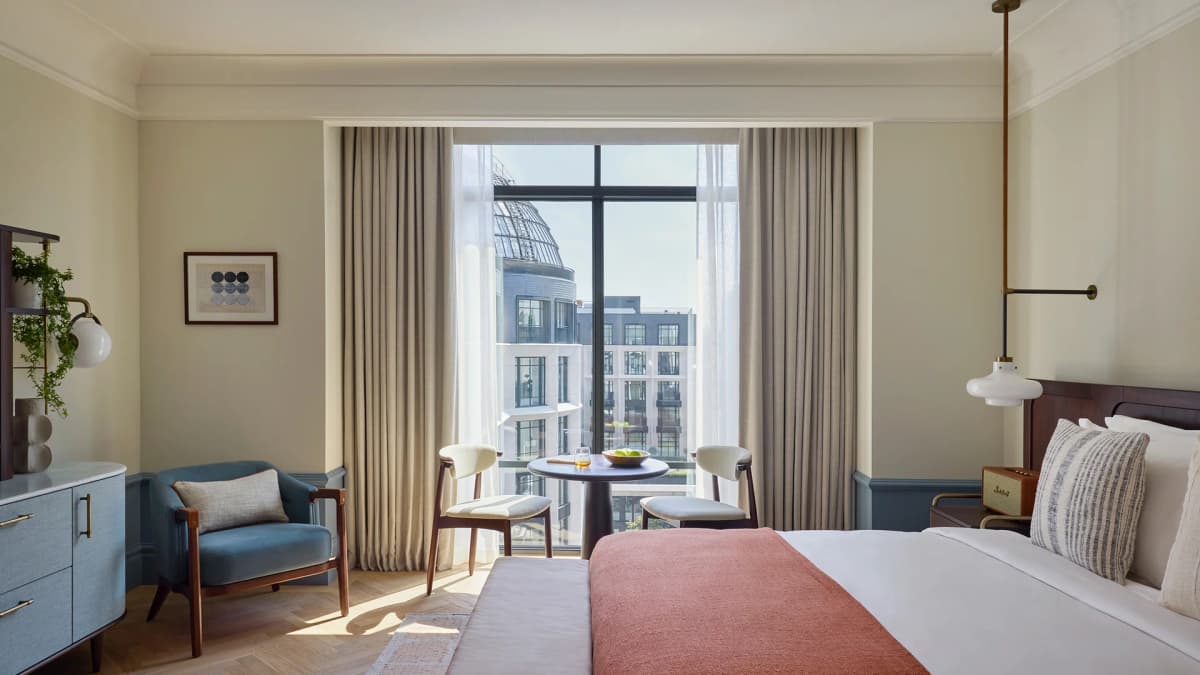
Urban heritage hotels reborn for 2026
Five city hotels where restoration, conversion or continuity gives a historic building a fresh role in contemporary hospitality.
Corinthia Rome
Corinthia Rome brings the Corinthia style into the heart of Campo Marzio, in a restored palazzo just off Piazza del Parlamento. The hotel opened in February 2026 and presents 60 rooms, including 21 suites, arranged like private Roman residences with high ceilings, tall windows and a quiet, composed sense of space. Dining is a central part of the experience, with three venues led by Carlo Cracco and a rhythm that shifts from breakfast to aperitivo to late evening. Beneath the historic fabric, the spa occupies the old vaults and adds a hushed counterpoint to the city above. It is polished, urban and rooted in place rather than spectacle.

Six Senses London
Six Senses London opens inside The Whiteley in West London, a restored landmark where the brand’s calm, wellness-driven style meets an urban setting near Hyde Park and Notting Hill. The hotel offers 109 rooms and suites, many with private terraces, plus branded residences and a members’ space that extends the sense of place beyond the lobby. Expect a design language of warm woods, Art Deco curves, soft lighting, and a steady emphasis on rest and recovery. The spa adds serious weight with a magnesium pool, thermal circuit, cryotherapy, flotation, and other restorative treatments. Dining is shaped to feel local and lived-in rather than staged, with a social atmosphere that still leaves room for quiet.

Mercer Hotel Madrid
Mercer Hotel Madrid is a 5-star grand luxe address in Los Jerónimos, a refined central district where the city feels more like a set of well-kept rooms than a capital. Set inside a historic former corporate headquarters, the hotel combines restored architectural character with contemporary design, keeping the atmosphere quiet, polished, and deliberately unshowy. Its 61 rooms and suites are arranged across several categories, from practical executive rooms to larger suites. The property includes dining spaces, a rooftop bar, a pool and solarium, plus spa and gym facilities, making it a compact but complete base for exploring the Prado area, Retiro, and Madrid’s museum quarter.

Cambridge House, Auberge Collection
In Mayfair, close to Green Park and the West End’s galleries, tailors and theatres, Cambridge House, Auberge Collection brings a historic London mansion back into hotel life. The Grade I-listed Georgian house, once the In and Out military club, is being reshaped as a polished city retreat with rooms and suites that are expected to balance Palladian bones, tailored interiors and contemporary comfort. Its mood is formal without feeling frozen: carved stone, grand salons and a sense of old London ceremony, softened by Auberge’s resort-style service. Dining is planned around Major’s Grill, with additional salons for all-day eating and afternoon tea, intimate bars and a fumoir. Wellness is a major part of the project, with a destination spa, swimming pool, bath house, treatment rooms, gyms and studios. The setting is ideal for travellers who want Mayfair’s composure, Hyde Park nearby and central London within easy reach.

Hotel Raphaël
Hotel Raphaël is a classic Paris address in the 16th arrondissement, close to the Arc de Triomphe, the Champs-Élysées, and the steady traffic of well-dressed people who seem to have somewhere better to be. The hotel mixes old-world detail with a polished, lived-in feel: carved wood, period furniture, formal public rooms, and a rooftop that opens wide to the city. Its 83 rooms and suites are arranged in a traditional style, with some offering terraces or direct views toward the Eiffel Tower and the Arc de Triomphe. Dining is French and refined, the bar is quietly atmospheric, and the overall mood is discreet rather than theatrical.
Heritage can feel intimate rather than grand
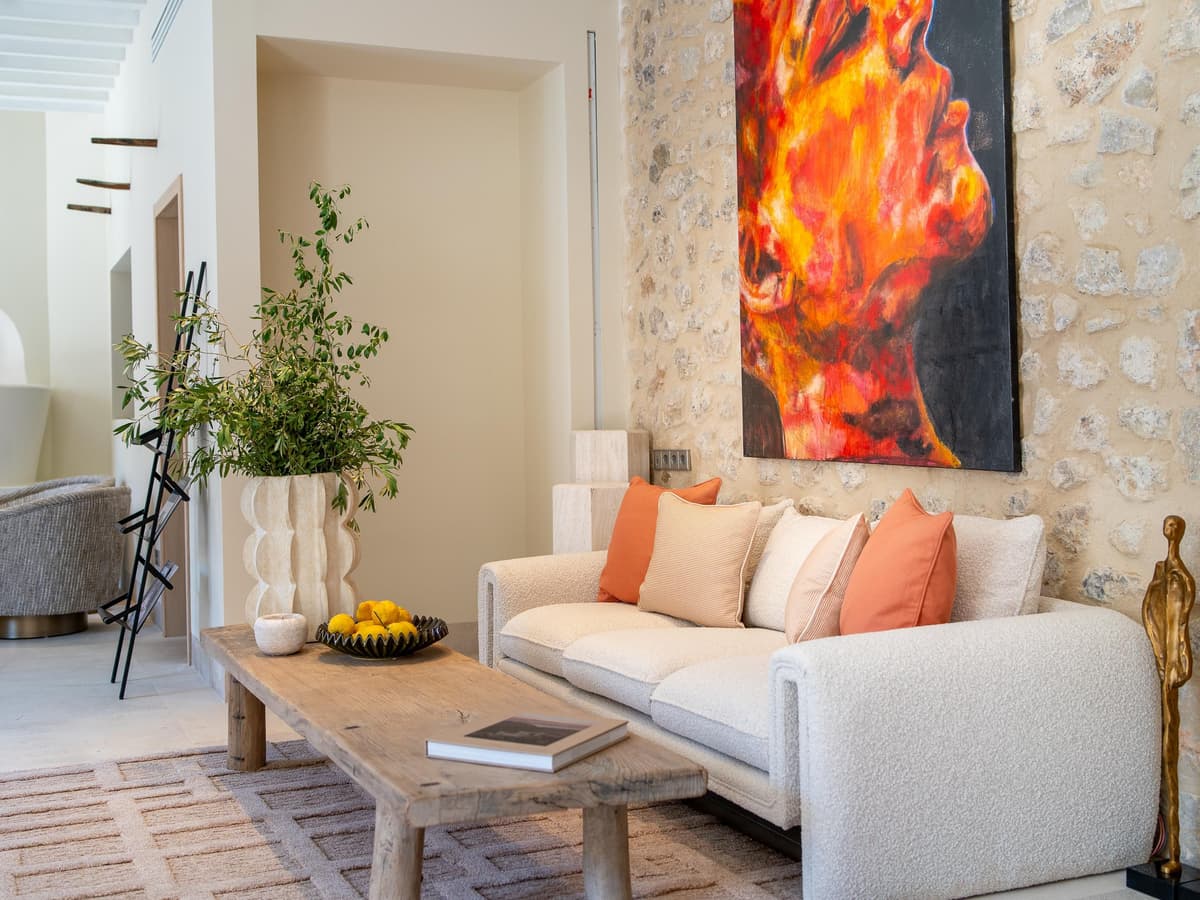
The Zetter Bloomsbury spreads across six restored Georgian townhouses, using a residential scale to make the hotel feel collected rather than constructed. Cambridge House begins with an 18th-century Georgian mansion, while Finca Banyols takes the story much further back: the Mallorca estate dates to 1475.
Together they show that heritage hospitality can be about domestic scale, landscape and continuity as much as monumental city architecture.
A reopening can be as important as a conversion
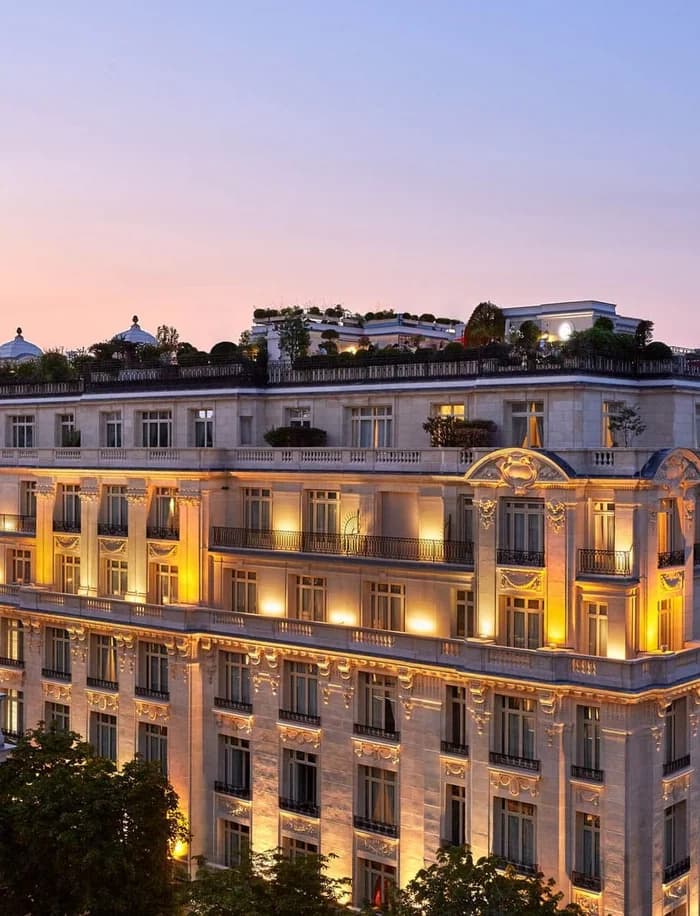
Hotel Raphael represents a different kind of heritage renewal. It was already a hotel when it opened in 1925, so its 2026 story is about continuity rather than adaptive reuse: restoring and updating an established Paris address without removing the identity that made it valuable.
A good heritage guide should distinguish between buildings converted to hospitality and historic hotels entering a new chapter. Both can feel fresh when the work respects the character that came before.
New heritage hotels in Europe to know in 2026
These seven live Fresh Hotel Guide properties were selected because the historic building or restoration is central to the stay, not merely a decorative reference.
Corinthia Rome
Corinthia Rome brings the Corinthia style into the heart of Campo Marzio, in a restored palazzo just off Piazza del Parlamento. The hotel opened in February 2026 and presents 60 rooms, including 21 suites, arranged like private Roman residences with high ceilings, tall windows and a quiet, composed sense of space. Dining is a central part of the experience, with three venues led by Carlo Cracco and a rhythm that shifts from breakfast to aperitivo to late evening. Beneath the historic fabric, the spa occupies the old vaults and adds a hushed counterpoint to the city above. It is polished, urban and rooted in place rather than spectacle.
Cambridge House, Auberge Collection
In Mayfair, close to Green Park and the West End’s galleries, tailors and theatres, Cambridge House, Auberge Collection brings a historic London mansion back into hotel life. The Grade I-listed Georgian house, once the In and Out military club, is being reshaped as a polished city retreat with rooms and suites that are expected to balance Palladian bones, tailored interiors and contemporary comfort. Its mood is formal without feeling frozen: carved stone, grand salons and a sense of old London ceremony, softened by Auberge’s resort-style service. Dining is planned around Major’s Grill, with additional salons for all-day eating and afternoon tea, intimate bars and a fumoir. Wellness is a major part of the project, with a destination spa, swimming pool, bath house, treatment rooms, gyms and studios. The setting is ideal for travellers who want Mayfair’s composure, Hyde Park nearby and central London within easy reach.
Six Senses London
Six Senses London opens inside The Whiteley in West London, a restored landmark where the brand’s calm, wellness-driven style meets an urban setting near Hyde Park and Notting Hill. The hotel offers 109 rooms and suites, many with private terraces, plus branded residences and a members’ space that extends the sense of place beyond the lobby. Expect a design language of warm woods, Art Deco curves, soft lighting, and a steady emphasis on rest and recovery. The spa adds serious weight with a magnesium pool, thermal circuit, cryotherapy, flotation, and other restorative treatments. Dining is shaped to feel local and lived-in rather than staged, with a social atmosphere that still leaves room for quiet.

The Zetter Bloomsbury
The Zetter Bloomsbury is a townhouse hotel in the heart of Bloomsbury, set across six restored Georgian houses close to the British Museum and Russell Square. The mood is residential rather than formal: layered interiors, collected objects, patterned fabrics, and a sense of a place that has grown into itself over time. Its 68 rooms and suites are designed with Georgian references, antique details, and comfortable finishing touches, with some offering four-poster beds, claw-foot tubs, and garden or street views. Facilities include a gym, a garden, a parlour, and an orangery, so the hotel works as both a quiet base and a sociable address for drinks, breakfast, or a long afternoon tea.
Mercer Hotel Madrid
Mercer Hotel Madrid is a 5-star grand luxe address in Los Jerónimos, a refined central district where the city feels more like a set of well-kept rooms than a capital. Set inside a historic former corporate headquarters, the hotel combines restored architectural character with contemporary design, keeping the atmosphere quiet, polished, and deliberately unshowy. Its 61 rooms and suites are arranged across several categories, from practical executive rooms to larger suites. The property includes dining spaces, a rooftop bar, a pool and solarium, plus spa and gym facilities, making it a compact but complete base for exploring the Prado area, Retiro, and Madrid’s museum quarter.

Finca Banyols, Vignette Collection
Finca Banyols, Vignette Collection is a restored Mallorcan estate in the soft hills of Alaró, set within around 100 hectares of vineyards, olive groves and lemon trees below the Serra de Tramuntana. Dating back to 1475, the finca keeps its stone walls, agricultural rhythm and quiet rural scale, while presenting a polished five-star stay about 20 minutes from Palma and the airport. Rooms and suites sit between gardens and old farm buildings, with traditional stone, timber beams, refined fabrics and views that settle naturally into the landscape. Dining centres on Tafona 1475, set in a former olive mill, where chef Dani Chavez-Bello works with local produce and subtle Japanese influences. A bar in an old water cistern, spa treatments using honey from the estate’s hives, indoor and outdoor pools, valet parking and attentive service give the property a calm, carefully composed sense of retreat.
Hotel Raphaël
Hotel Raphaël is a classic Paris address in the 16th arrondissement, close to the Arc de Triomphe, the Champs-Élysées, and the steady traffic of well-dressed people who seem to have somewhere better to be. The hotel mixes old-world detail with a polished, lived-in feel: carved wood, period furniture, formal public rooms, and a rooftop that opens wide to the city. Its 83 rooms and suites are arranged in a traditional style, with some offering terraces or direct views toward the Eiffel Tower and the Arc de Triomphe. Dining is French and refined, the bar is quietly atmospheric, and the overall mood is discreet rather than theatrical.
Frequently asked questions
What is a heritage hotel?
In this guide, a heritage hotel is a property where a historic building, previous use or long-established hotel identity remains a meaningful part of the guest experience after restoration or conversion.
What are the best new heritage hotels in Europe in 2026?
This Fresh Hotel Guide selection includes Corinthia Rome, Cambridge House, Six Senses London, The Zetter Bloomsbury, Mercer Hotel Madrid, Finca Banyols and Hotel Raphael in Paris.
Which hotels are examples of adaptive reuse?
Corinthia Rome, Mercer Hotel Madrid and Six Senses London are especially clear examples because they bring former banking, corporate and retail buildings into hospitality.
Are there smaller heritage hotels in the guide?
Yes. The Zetter Bloomsbury uses six restored Georgian townhouses, while Finca Banyols offers a rural heritage stay on a Mallorca estate dating to 1475.
Can a renovated historic hotel count as a new heritage hotel?
Yes, when the renovation creates a genuinely renewed stay while preserving the property's historic identity. Hotel Raphael in Paris is included for exactly that reason.
Explore Europe's new heritage hotels
Compare new and recently restored hotels across Europe and see how historic buildings are finding new lives in hospitality.