Hotel Industry Trends 2027: Where Hospitality Is Heading
A global industry outlook on the forces shaping hotels in 2027: sharper positioning, smarter operations, AI-led discovery, wellness as a system, F&B as demand, resilient assets and clearer reasons to book.
- 2027 outlook year
- 9 fhg hotels currently recorded for 2027
- 4 regions represented in the 2027 dataset
The next hotel cycle will be defined by sharper positioning, smarter operations and stronger reasons to book.
This page combines two things: a global 2027 hospitality industry outlook, and a full dataset-driven lineup of Fresh Hotel Guide hotels currently recorded with a 2027 opening year. The industry analysis is broader than the selected hotel examples. The examples are used as concrete signals from the Fresh Hotel Guide 2027 dataset, while the full 2027 lineup appears below.
Opening schedules can move. Hotels referenced here are currently recorded for 2027 in the dataset; that does not mean every property is already bookable or that timing is guaranteed.
2027 hotel industry outlook at a glance
- AI
- Discovery, direct demand and hotel content become machine-readable
- Ops
- Automation protects margin while service moments become more valuable
- Value
- Clear positioning matters more than generic lifestyle design
Executive take
The hotel industry is moving from expansion to precision
The last hotel cycle was about recovery, rate growth and reopening. The next one is about relevance.
A hotel can no longer rely on brand, location or design alone. It must work harder across discovery, distribution, operations, staffing, asset strategy, wellness, sustainability, food and beverage, local integration and guest trust.
In 2027, the strongest hotels will be easy for people to understand and easy for machines to read. They will be operationally lean without feeling impersonal. They will turn wellness, food, culture or community into real demand drivers. They will treat labor and climate risk as business risks, not side topics. And they will give travellers a clear reason to book direct, return and recommend.
“The next hotel cycle will be defined by sharper positioning, smarter operations and stronger reasons to book.”
1. AI becomes the new front door to hotel demand
AI will not only help hotels write emails, answer questions or summarize reviews. It will increasingly shape how travellers discover, compare and choose hotels.
Search is becoming more conversational. Trip planning is becoming more delegated. Guests will ask AI assistants for the best hotel for a precise mood, budget, loyalty preference, sleep need, restaurant access, family setup, meeting location or wellness goal.
That changes the rules. Hotels need structured data, accurate facts, current images, useful room descriptions, clear policies and distinctive positioning. Generic copy will become invisible. Weak hotel pages, missing data and vague descriptions will become commercial liabilities.
The new distribution question is not only: are we visible on Google? It is: can an AI assistant understand why we are the right answer?
2. The market becomes more polarized
Hospitality is entering a two-speed market.
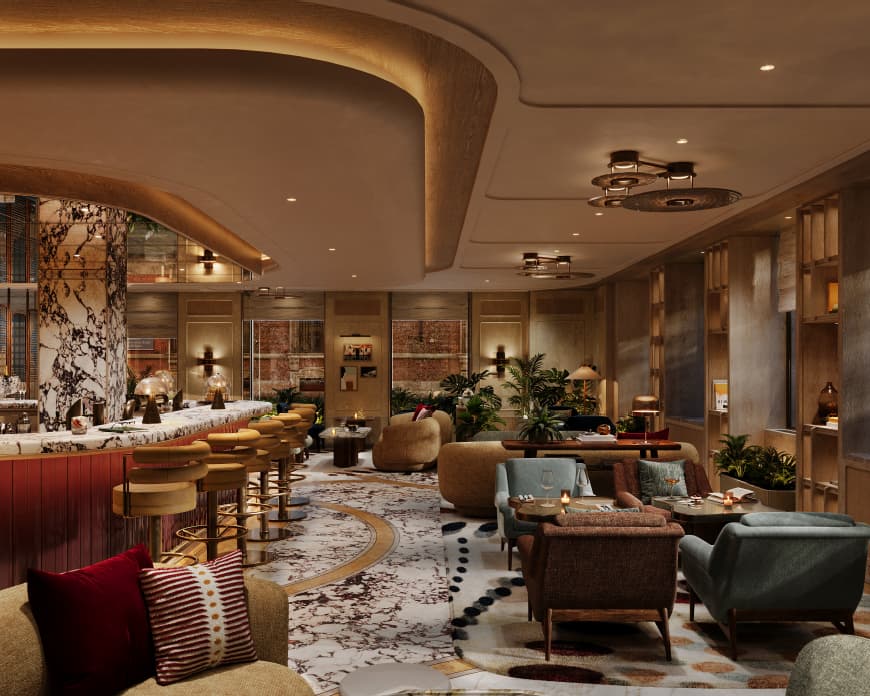
At the top end, luxury, lifestyle and high-quality resort products continue to show pricing power. Affluent travellers still spend, but they are not buying luxury as decoration. They expect privacy, personalization, wellness, culinary credibility, design, service and access. In the current 2027 dataset, Raffles Lake Como, Four Seasons Hotel Madinah, Six Senses Milan and Anantara Bandar Al Khairan Resort all illustrate different versions of premium positioning.
At the lower and middle end, the pressure is different. Guests are more value-conscious. Operating costs are higher. Alternative accommodation remains competitive. Rate growth is harder to push without a clearer value proposition. This does not mean only luxury wins. It means undifferentiated hotels lose.
3. Labor pressure forces a new operating model
The hotel labor challenge will not be solved by hiring harder. Hotels need to redesign work.
By 2027, the best operators will use automation to remove low-value friction: repetitive guest messaging, manual reporting, scheduling complexity, maintenance alerts, invoice handling, upsell targeting, housekeeping allocation and revenue-management workflows.
But hospitality cannot automate its way out of hospitality. The human difference still matters most at the moments of stress, emotion, arrival, recovery, complaint, celebration and surprise.
The goal is not fewer humans everywhere. The goal is better human attention where it counts. Hotels that use technology only to cut labor will feel cold. Hotels that use technology to protect service quality will win.
4. Wellness moves from amenity to operating system
Wellness is no longer a spa menu. It is becoming a way to design, price and operate hotels.
The next wave is more measurable and more integrated: sleep quality, light, air, acoustics, movement, recovery, nutrition, thermal rituals, longevity, mental reset, family wellness and stress regulation. Six Senses Milan is one currently tracked 2027 example where the hotel record links wellness, craft, seasonal dining, sustainability and urban retreat positioning. Four Seasons Hotel Madinah shows another version: practical wellness and fitness shaped around the rhythm of pilgrimage travel.
The opportunity is not to add a treatment room and call it wellness. The opportunity is to make the whole stay feel better: the room, the bed, the food, the sound, the schedule, the outdoor space and the way the guest leaves.
5. F&B becomes a demand engine, not a hotel department
The old model treated hotel restaurants as a service for guests. The new model treats food and beverage as a reason to visit.
Great restaurants, bars, delis, coffee concepts, rooftops, beach clubs, chef partnerships and local food rituals can make a hotel part of a city's daily life. They diversify revenue. They bring locals into the building. They create social visibility. They make the hotel easier to remember.
The 2027 examples tracked in Fresh Hotel Guide show several versions of this. Six Senses Milan includes a seasonal restaurant, deli, rooftop bar and sky pool. Raffles Lake Como is recorded with dining, bar spaces and a lakeside club. Anantara Bandar Al Khairan Resort is planned with five restaurants and bars, including beachfront and rooftop venues.
6. Mixed-use, conversions and adaptive reuse become the asset playbook
Hotels are becoming part of broader ecosystems.
The most resilient hospitality assets increasingly combine rooms with wellness, food and beverage, retail, event spaces, serviced residences, long-stay products or destination leisure. Mixed-use hospitality spreads risk across several revenue streams and gives guests more reasons to interact with the property.
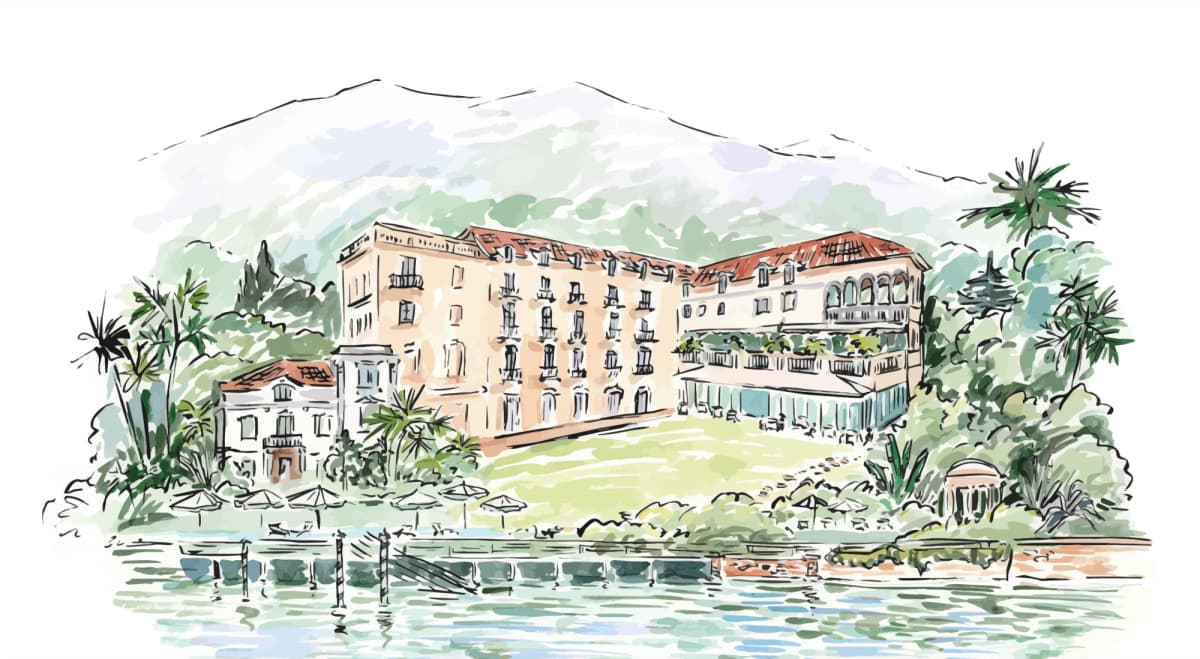
Conversions and adaptive reuse will matter more, too. New construction will continue, but reuse answers several industry problems at once: high building costs, planning delays, sustainability pressure, speed to market, historic character and investor risk. In the 2027 dataset, Raffles Lake Como transforms a former Grand Hotel Imperiale asset, Relais San Clemente occupies a former Benedictine convent estate, and Cristallo in Cortina d'Ampezzo is tracked as a renovated mountain grand hotel.
7. Climate resilience becomes a board-level hotel issue
Sustainability used to be about reducing harm. Now it is also about protecting asset value.
Hotels are exposed to heat, water stress, storms, floods, wildfire, insurance pressure, energy costs, regulation and shifting destination appeal. These are not abstract ESG issues. They affect operations, capex, valuation, guest comfort and business continuity.
The next stage of hotel sustainability will be more practical and more physical. Can the property stay cool? Can it manage water? Can it withstand extreme weather? Can it control energy costs? Can it prove performance to investors, regulators, corporate clients and guests? In the 2027 dataset, nature-led and waterfront examples such as Anantara Bandar Al Khairan Resort, Raffles Lake Como and Relais San Clemente show why landscape and climate context are no longer background details.
8. Destination strategy becomes more important than hotel strategy
Hotels do not win alone.
They depend on air access, safety, events, local culture, workforce availability, infrastructure, public policy, seasonality, climate, neighborhood quality and destination reputation.
The strongest hotel markets in 2027 will not simply be the places with the most demand. They will be the places that manage demand intelligently: spreading tourism beyond peak seasons, creating reasons to travel outside traditional windows, supporting local communities, managing overtourism and linking hotels with restaurants, events, culture, wellness and nature.
The currently tracked 2027 examples are useful because they point to different destination strategies: Madinah and pilgrimage infrastructure, Oman's quieter coastal development, Hamburg's HafenCity growth district, Guyana's capital and riverfront business travel, and Richmond's Fan District as a neighborhood-led stay.
9. Generic lifestyle is over
Lifestyle hotels became one of the most copied formats in hospitality. By 2027, the weak versions will be obvious.
A lobby with plants, local art, vinyl records and a cocktail bar is no longer enough. Guests can feel when local is only decoration. They can also feel when a hotel is genuinely embedded in a neighborhood, a creative scene, a food culture or a landscape.
The next generation of lifestyle hotels must be more specific: less template, more point of view; less mood board, more cultural intelligence; less Instagrammable, more memorable. Shenandoah Mansions is the clearest 2027 example in the dataset for this idea: a smaller Richmond hotel whose record is built around neighborhood character, atmosphere, restaurant, bar, cafe and retail rather than generic lifestyle language.
10. Value and direct booking depend on trust
Travellers are still spending, but they are more alert to value. That does not always mean cheap. It means the guest must understand what the stay is worth.
For luxury guests, value may mean privacy, time saved, access, recognition, wellness or emotional transformation. For business travellers, it may mean speed, reliability, sleep, location and loyalty benefits. For families, it may mean space, flexibility, safety and convenience. For younger travellers, it may mean design, social energy, authenticity and price transparency.
Hotels will keep talking about direct booking. But guests will not book direct just because a hotel wants them to. They will book direct when the hotel gives them a better reason: clearer room information, better images, flexible conditions, useful packages, loyalty value, direct communication, upgrade confidence, local expertise or a smoother pre-arrival experience.
The OTA battle will not be won only with price. It will be won with clarity, trust and usefulness.
“In 2027, the winning hotel is not necessarily the newest, biggest or most expensive. It is the hotel with the clearest reason to book.”
Selected 2027 hotels that reflect the trend signals
These are selected examples from the Fresh Hotel Guide 2027 dataset, not the basis for the trend analysis. The industry outlook is broader than the selected hotel examples, and the full 2027 lineup appears below.
Six Senses Milan illustrates wellness as an operating system, structured content, premium urban retreat positioning, seasonal F&B and sustainability signals.
Raffles Lake Como illustrates heritage conversion, luxury resort repositioning, lakeside destination strategy, wellness, F&B and a stronger reason to book than room inventory alone.
Relais San Clemente - Emblems Collection illustrates adaptive reuse, rural destination strategy, spa, event space and nature-led resort programming in a historic Umbrian asset.
Four Seasons Hotel Madinah illustrates destination-specific luxury, pilgrimage infrastructure, service clarity, wellness support and brand-distribution relevance.
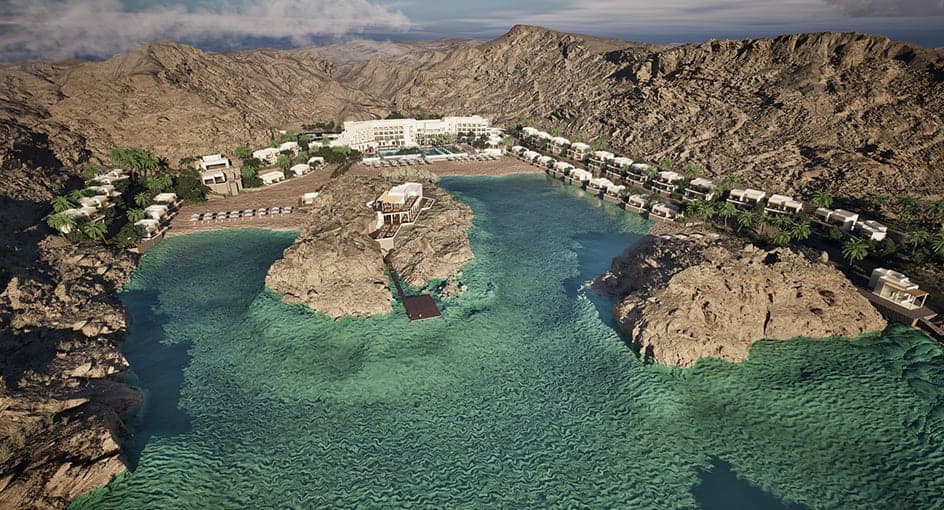
Anantara Bandar Al Khairan Resort illustrates emerging coastal destination development, resort programming, F&B as demand, landscape-led positioning and climate-context awareness.
Novotel Hamburg HafenCity and Hyatt Place Guyana Georgetown illustrate the operational side of 2027: efficient branded products in urban growth districts, with business travel, meetings, transport and value clarity doing more of the commercial work.
Shenandoah Mansions illustrates the end of generic lifestyle: a smaller neighborhood hotel where atmosphere, food, retail and local identity carry the proposition.
Selected examples currently tracked for 2027
These hotel cards are editorial examples only. They do not define the 2027 trends, and they are not the full 2027 dataset.

Six Senses Milan
Six Senses Milan is planned for Brera, Milan’s artistic quarter, where galleries, historic cafés and the Pinacoteca di Brera give the city a quieter, more studied rhythm just a short walk from the Duomo and the fashion district. The hotel is conceived as an urban retreat with 68 rooms, including 15 suites, shaped by Milanese craft rather than loud display: arabescato marble, antique brass, handmade smoked glass, textured ceilings and mosaic details set the tone. Two suites will include plunge pools, while the wider design looks inward to a calm courtyard. Dining is centred on a seasonal restaurant and deli, with the brand’s Earth Lab adding a practical sustainability focus. A Six Senses Spa, rooftop bar and sky pool complete the address, giving the hotel a composed base for art, design and city wandering.

Raffles Lake Como
Raffles Lake Como is planned as Raffles’ first address in Italy, set on the western shore of Lake Como in Moltrasio, a short drive or boat ride from the city of Como. The project transforms the former Grand Hotel Imperiale, a 1920s Art Nouveau lakeside property, into a polished resort with the measured service and residential refinement associated with the brand. Its position gives the hotel a direct relationship with the water: terraces, gardens and lake-facing spaces are expected to shape the stay as much as the interiors. Accommodation will combine historic structure with contemporary comfort, aimed at travellers who want a quieter base than the larger lake towns without losing access to villas, ferry routes and Como’s old centre. Dining, bar spaces, wellness facilities, pools and a lakeside club are planned as part of the resort, making it a complete Lake Como retreat rather than simply a place to sleep.

Relais San Clemente – Emblems Collection
Set in the Umbrian countryside just outside Perugia, Relais San Clemente – Emblems Collection is scheduled to open in 2027 as a refined estate shaped by history, landscape, and quiet proportion. The property occupies a former 14th-century Benedictine convent arranged around a chapel dating from 1045, with century-old trees and the Tevere River giving the setting a calm, rural edge. Accommodation is planned across elegant rooms, suites, and private villas, with interiors that pair historic stone and cloistered atmosphere with a contemporary, nature-led design. A restaurant and bar will anchor the dining, while the spa, gym, lagoon pool, and event spaces add a full resort dimension. Perugia is close enough for cultural visits, and Assisi, medieval villages, abbeys, and castles make the hotel a well-placed base for exploring Umbria.

Four Seasons Hotel Madinah
Four Seasons Hotel Madinah is a luxury new-build hotel in central Madinah, scheduled to open in early 2027 just steps from Al-Masjid an-Nabawi and close to the Rawdah entrance and Al-Baqi Cemetery. Designed around the rhythm of pilgrimage and reflection, it will offer 246 accommodations, including 36 suites, many with broad views toward the Prophet’s Mosque and Al-Rawdah. Rooms are planned with calm contemporary interiors, built-in mihrabs and ablution vessels, giving private space a clear sense of purpose. Dining will be spread across three restaurants and lounges, with Hijazi, Asian and Western influences. An intimate spa with two treatment rooms, in-room wellness therapies and separate 24-hour fitness centres for men and women add practical comfort. Madinah International Airport and the Haramain High-Speed Railway Station are about 20 minutes away by car.

Anantara Bandar Al Khairan Resort
Anantara Bandar Al Khairan Resort is a planned coastal retreat in Bandar Al Khairan, south-east of Muscat, set between Oman’s tawny mountains and the clear waters of the Gulf of Oman. Scheduled to open in 2027, it brings the Anantara style to a rugged, quieter stretch of coastline about 45 minutes from Muscat International Airport. The accommodation is arranged as rooms, chalets and villas, with selected villas offering private pools and a more secluded garden setting. The mood is contemporary rather than ornate: broad views, natural textures and the sea always close by. Dining is planned across five restaurants and bars, including beachfront and rooftop venues. Facilities include an infinity pool, children’s splash pool, spa, fitness centre, kids’ and teens’ spaces, meeting areas and a private majlis for stargazing, a fitting detail in a place where the night sky feels part of the landscape.

Novotel Hamburg HafenCity
Novotel Hamburg HafenCity is set in the heart of one of Hamburg’s most walkable districts, close to the waterfront, new urban landmarks, shops, and the city’s main sightseeing circuit. The hotel is presented as a contemporary Novotel with 172 rooms, designed for straightforward comfort rather than fuss. On site, guests can expect a restaurant serving local-influenced dishes under the THE FLAVE name, plus the practical basics that matter on a city break: a fitness area, parking, and easy access to public transport. From here, Speicherstadt, the Elbphilharmonie, and the old port atmosphere are all within reach.

Hyatt Place Guyana Georgetown
Overlooking the Demerara River, Hyatt Place Georgetown introduces international style to Guyana’s capital. Sleek rooms feature river or city views, while the rooftop pool and restaurant showcase panoramic sunsets. Guests enjoy flexible meeting spaces, 24 h dining, and local Caribbean cuisine. Located near Stabroek Market and business districts, it’s a modern hub where warm hospitality meets understated sophistication—perfect for business, exploration, or riverside relaxation.

Shenandoah Mansions
Shenandoah Mansions is a six-story hotel in Richmond’s historic Fan District, a neighborhood of leafy streets and old brick townhouses that still carries a bohemian edge. The house leans into a theatrical, gothic-tinged mood—an ode to grande dames, folklore and a hint of the uncanny—without losing the basics of comfort. It offers 73 guest rooms, including four suites, designed for travelers who like their city stay with character. On site you’ll find an elegant restaurant, a bar with a more mysterious after-dark feel, and a daily café for coffee and something small before heading out. An in-house retail shop rounds out the experience with curated goods and souvenirs, making the hotel feel like a small, self-contained corner of the neighborhood.
Full lineup of Fresh Hotel Guide hotels recorded for 2027
This grid is generated from the current Fresh Hotel Guide dataset using the recorded opening year 2027. It includes the full lineup of hotels currently tracked for 2027, including announced openings, major reopenings and renovated properties where 2027 is attached to the record.

Hyatt Place London Paddington
Hyatt Place London Paddington sits in a practical, well-connected pocket of west London, a short walk from Paddington Station and within easy reach of Hyde Park, Marylebone and the West End. The hotel is built for travellers who want the city to stay close without feeling on top of them. Rooms are simple and contemporary, with the familiar Hyatt Place balance of work space and rest space, while the on-site dining leans into all-day convenience rather than ceremony. There is a 24/7 fitness centre, grab-and-go options and a small meetings room, making it a fit for business stays, short breaks and early departures alike.
Relais San Clemente – Emblems Collection
Set in the Umbrian countryside just outside Perugia, Relais San Clemente – Emblems Collection is scheduled to open in 2027 as a refined estate shaped by history, landscape, and quiet proportion. The property occupies a former 14th-century Benedictine convent arranged around a chapel dating from 1045, with century-old trees and the Tevere River giving the setting a calm, rural edge. Accommodation is planned across elegant rooms, suites, and private villas, with interiors that pair historic stone and cloistered atmosphere with a contemporary, nature-led design. A restaurant and bar will anchor the dining, while the spa, gym, lagoon pool, and event spaces add a full resort dimension. Perugia is close enough for cultural visits, and Assisi, medieval villages, abbeys, and castles make the hotel a well-placed base for exploring Umbria.

Baccarat Hotel & Residences Dubai
Set on Burj Khalifa Boulevard in Downtown Dubai, Baccarat Hotel & Residences Dubai pairs a forthcoming luxury hotel with two crystalline-inspired residential towers, placing you minutes from the Burj Khalifa, Dubai Mall and Dubai Opera. The project blends French Baccarat aesthetics with the pace of the city, with a dedicated hotel component alongside branded homes in two collections: Le Rouge (49 fully furnished residences from two- to four-bedroom layouts plus five-bedroom duplex penthouses) and Le Noir (42 three- and four-bedroom residences). Shared facilities are positioned as a full resort-style stack: Grand and Petit Salons for lounging, a signature bar, specialty restaurants, curated retail, and meeting rooms for business stays. Wellness is built around a spa, a fitness and yoga studio, a children’s play area, and two pools—a temperature-controlled Sanctuary Pool and an Infinity Pool aimed at skyline views. DXB is listed at about 15 minutes by car, with Dubai Marina around 21 minutes away.

Adorn Tirana - Handwritten Collection
Adorn Tirana - Handwritten Collection, Tiranë, Albania. Expected February 2027. Explore planned opening details and location.
Four Seasons Hotel Madinah
Four Seasons Hotel Madinah is a luxury new-build hotel in central Madinah, scheduled to open in early 2027 just steps from Al-Masjid an-Nabawi and close to the Rawdah entrance and Al-Baqi Cemetery. Designed around the rhythm of pilgrimage and reflection, it will offer 246 accommodations, including 36 suites, many with broad views toward the Prophet’s Mosque and Al-Rawdah. Rooms are planned with calm contemporary interiors, built-in mihrabs and ablution vessels, giving private space a clear sense of purpose. Dining will be spread across three restaurants and lounges, with Hijazi, Asian and Western influences. An intimate spa with two treatment rooms, in-room wellness therapies and separate 24-hour fitness centres for men and women add practical comfort. Madinah International Airport and the Haramain High-Speed Railway Station are about 20 minutes away by car.

Hyatt Centric Querétaro
Hyatt Centric Querétaro is a full-service lifestyle hotel in Santiago de Querétaro, positioned for easy access to the city’s Historic Center, baroque landmarks and lively public squares. The property pairs colonial touches with a modern, urban feel: 102 rooms and suites, a rooftop pool, a fitness center, meeting and ballroom space, and three dining venues that range from a terrace restaurant to a speakeasy-style bar. The atmosphere is polished but not stiff, with a clear sense of place and a layout built for travelers who want to step out into the city and return to a calm, contemporary base.

Hyatt Centric Winnipeg Downtown
Hyatt Centric Winnipeg Downtown is set in the centre of downtown, close to the convention centre, provincial government buildings, The Forks, and the city’s main cultural stops. The hotel is built as an adaptive-reuse project, which gives it a little more texture than a typical new-build box: local artwork, textiles, and design details shape the public spaces, including a dramatic atrium. Guest accommodation is described as 140 smartly appointed rooms and suites, with a restaurant, lounge, coffee shop, spa, and fitness centre rounding out the stay. It reads as a practical base for travellers who want to move between meetings, museums, and riverside walks without losing the thread of the city.

Hyatt House Frankfurt Goetheplatz
Hyatt House Frankfurt Goetheplatz sits in the middle of Frankfurt’s city centre, close to the business district, shopping streets and the old-town core. It is an extended-stay hotel with a residential feel rather than a formal full-service mood: spacious rooms, studios and suites, many with kitchenettes, a separate seating area and city views. The atmosphere is practical and modern, built for guests who want a bit more room to breathe on a work trip or a longer stopover. Breakfast and bar service are centred around the lobby level, while a fitness centre, business services and pet-friendly policies round out the stay. The result is a clean, urban base that feels geared to routine as much as arrival.

Radisson Blu Grand Mountain Resort Brasov
Radisson Blu Grand Mountain Resort Brasov is a forthcoming mountain retreat in Cristian, near Brașov, set between the forests and wide Carpathian views of southern Transylvania. The planned resort combines hotel rooms with Scandinavian-style chalet villas, giving the place a more residential feel than a conventional ski hotel. Its year-round setting places guests within easy reach of hiking, mountain biking and winter sports around Poiana Brașov, while Brașov’s medieval centre, Râșnov Citadel and Bran Castle make worthwhile day trips. Facilities are planned to include a spa and wellness area with an indoor pool, hot tubs, sauna and fitness space, plus a restaurant with a terrace, bar and cigar lounge. It is designed as a calm base for travellers who want mountain air and access to the region’s more atmospheric corners.

Fairmont Dalian
Set within a striking heritage building on Dalian’s waterfront, Fairmont Dalian introduces a refreshed era of luxury amid the city’s vibrant port and scenic coastline. With a dramatic foyer, elegant ballroom for weddings and events, and the exclusive Fairmont Gold lounge experience, the hotel invites both leisure and business travellers to immerse themselves in refined comfort. Signature restaurants draw from regional seafood and international cuisine, while wellness amenities including an indoor pool and fitness centre support guests’ rest and renewal. Located minutes from the city’s landmarks and transit links, the hotel blends architectural charm with modern hospitality standards — a distinctive gateway to Northeast China’s coastal lifestyle. (Based on official announcements)
Hyatt Place Guyana Georgetown
Overlooking the Demerara River, Hyatt Place Georgetown introduces international style to Guyana’s capital. Sleek rooms feature river or city views, while the rooftop pool and restaurant showcase panoramic sunsets. Guests enjoy flexible meeting spaces, 24 h dining, and local Caribbean cuisine. Located near Stabroek Market and business districts, it’s a modern hub where warm hospitality meets understated sophistication—perfect for business, exploration, or riverside relaxation.
Novotel Hamburg HafenCity
Novotel Hamburg HafenCity is set in the heart of one of Hamburg’s most walkable districts, close to the waterfront, new urban landmarks, shops, and the city’s main sightseeing circuit. The hotel is presented as a contemporary Novotel with 172 rooms, designed for straightforward comfort rather than fuss. On site, guests can expect a restaurant serving local-influenced dishes under the THE FLAVE name, plus the practical basics that matter on a city break: a fitness area, parking, and easy access to public transport. From here, Speicherstadt, the Elbphilharmonie, and the old port atmosphere are all within reach.
Anantara Bandar Al Khairan Resort
Anantara Bandar Al Khairan Resort is a planned coastal retreat in Bandar Al Khairan, south-east of Muscat, set between Oman’s tawny mountains and the clear waters of the Gulf of Oman. Scheduled to open in 2027, it brings the Anantara style to a rugged, quieter stretch of coastline about 45 minutes from Muscat International Airport. The accommodation is arranged as rooms, chalets and villas, with selected villas offering private pools and a more secluded garden setting. The mood is contemporary rather than ornate: broad views, natural textures and the sea always close by. Dining is planned across five restaurants and bars, including beachfront and rooftop venues. Facilities include an infinity pool, children’s splash pool, spa, fitness centre, kids’ and teens’ spaces, meeting areas and a private majlis for stargazing, a fitting detail in a place where the night sky feels part of the landscape.
Raffles Lake Como
Raffles Lake Como is planned as Raffles’ first address in Italy, set on the western shore of Lake Como in Moltrasio, a short drive or boat ride from the city of Como. The project transforms the former Grand Hotel Imperiale, a 1920s Art Nouveau lakeside property, into a polished resort with the measured service and residential refinement associated with the brand. Its position gives the hotel a direct relationship with the water: terraces, gardens and lake-facing spaces are expected to shape the stay as much as the interiors. Accommodation will combine historic structure with contemporary comfort, aimed at travellers who want a quieter base than the larger lake towns without losing access to villas, ferry routes and Como’s old centre. Dining, bar spaces, wellness facilities, pools and a lakeside club are planned as part of the resort, making it a complete Lake Como retreat rather than simply a place to sleep.

Cristallo, a Luxury Collection Resort & Spa, Cortina d'Ampezzo
Set above Cortina d’Ampezzo in the Dolomites, Cristallo is a historic mountain grand hotel long associated with the town’s classic ski-and-summer scene. The property is currently closed for works as part of a major renovation; once completed, it is expected to welcome guests under the Mandarin Oriental brand. Traditionally, stays here have centred on Alpine views, a resort layout with generous public rooms, and an emphasis on wellness alongside outdoor access, from slopes in winter to hiking and cycling when the snow clears. On reopening, travellers can reasonably expect upgraded accommodation with contemporary comforts, refreshed spa facilities, and dining that balances Italian flavours with an international resort approach, all in a setting that remains rooted in Cortina’s belle époque identity.
Six Senses Milan
Six Senses Milan is planned for Brera, Milan’s artistic quarter, where galleries, historic cafés and the Pinacoteca di Brera give the city a quieter, more studied rhythm just a short walk from the Duomo and the fashion district. The hotel is conceived as an urban retreat with 68 rooms, including 15 suites, shaped by Milanese craft rather than loud display: arabescato marble, antique brass, handmade smoked glass, textured ceilings and mosaic details set the tone. Two suites will include plunge pools, while the wider design looks inward to a calm courtyard. Dining is centred on a seasonal restaurant and deli, with the brand’s Earth Lab adding a practical sustainability focus. A Six Senses Spa, rooftop bar and sky pool complete the address, giving the hotel a composed base for art, design and city wandering.
Shenandoah Mansions
Shenandoah Mansions is a six-story hotel in Richmond’s historic Fan District, a neighborhood of leafy streets and old brick townhouses that still carries a bohemian edge. The house leans into a theatrical, gothic-tinged mood—an ode to grande dames, folklore and a hint of the uncanny—without losing the basics of comfort. It offers 73 guest rooms, including four suites, designed for travelers who like their city stay with character. On site you’ll find an elegant restaurant, a bar with a more mysterious after-dark feel, and a daily café for coffee and something small before heading out. An in-house retail shop rounds out the experience with curated goods and souvenirs, making the hotel feel like a small, self-contained corner of the neighborhood.

Bauer Hotel
Bauer Hotel sits in Venice’s San Marco district, between the Grand Canal and the ceremonial pull of Piazza San Marco, a location made for arrivals by water and slow walks through the city’s most theatrical quarter. Founded in 1880 and now being renewed as Rosewood Hotel Bauer, it pairs a historic Venetian palazzo with a full contemporary restoration that keeps the building’s architectural weight in view. The planned accommodation favours suites and refined residential detail rather than spectacle, with views oriented toward the canal, rooftops and St Mark’s Basin. Dining is set to include a ground-floor restaurant and wine bar, a Venetian restaurant, and a rooftop bar with an altana terrace. A rooftop garden, wellness area and outdoor pool add rare open-air space in the dense fabric of central Venice.

Four Seasons Private Residences
Set on Caye Chapel in Belize, this Four Seasons residential project is planned as a private island community rather than a conventional hotel stay. The setting is all turquoise water, long white-sand shoreline and low-key seclusion, with residences arranged around a broader island development that also includes golf, marina access and outdoor recreation. The concept leans on Four Seasons service and property management, while the homes themselves are designed for ownership, privacy and long stays. It is the kind of place built for people who want resort infrastructure without giving up the feeling of living on their own island.

Palazzo Castelluccio
Palazzo Castelluccio stands in the historic centre of Noto, where the limestone streets glow at dusk and the Baroque façades feel almost cinematic. Housed in an 18th-century noble residence built for the Di Lorenzo del Castelluccio family, it is being restored as a Rocco Forte hotel with the scale of a palazzo rather than a standard city property. The project is set to include 31 rooms and suites, along with restaurants, a bar and a spa, all arranged to preserve the building’s sense of ceremony and calm. From here, Noto’s cathedral, palaces, cafés and pastry shops are an easy walk away, while Vendicari, Syracuse, Modica and Ragusa make natural day trips for travellers who want history, landscape and good Sicilian food in the same itinerary.

Ritz-Carlton Bellagio
Set on the shores of Lake Como in Bellagio, this forthcoming Ritz-Carlton will bring Marriott’s classic luxury format to one of Italy’s most storied resort landscapes. The project is being created through the conversion and renewal of the former Grande Bretagne hotel, with arrival now planned for 2026. The published plan calls for 105 keys in total, made up of 59 rooms and 46 suites, including two Ritz-Carlton suites. Expect a lakeside setting, formal gardens, a spa with an indoor pool, restaurants ranging from relaxed to refined, and meeting spaces designed for events. The atmosphere should lean toward polished grand-hotel calm rather than flash.
How to use this page
Use the outlook as a strategy lens, not as a list of predictions attached to the hotels below. The selected hotels are examples currently tracked for 2027 in Fresh Hotel Guide. The article explains the larger industry direction that hotel professionals should watch.
For travellers, the listed hotels are a watchlist. For hotel professionals, the trend analysis is the more important signal: clearer positioning, better content, smarter operations, more resilient assets and more compelling reasons to book.
Frequently asked questions
What are the biggest hotel industry trends for 2027?
The biggest 2027 hotel industry trends are AI-led discovery, sharper hotel positioning, smarter operations, labor-efficient service models, wellness as a core value driver, stronger F&B concepts, mixed-use hospitality, adaptive reuse, climate resilience, stronger destination strategy and clearer reasons to book direct.
How were the selected 2027 hotel examples chosen?
They were chosen from hotels in Fresh Hotel Guide currently recorded with opening year 2027. The selected examples best illustrate the article's themes: luxury positioning, wellness, heritage conversion, adaptive reuse, destination strategy, F&B, operating efficiency, urban growth districts and stronger local identity.
Does this page include the full Fresh Hotel Guide 2027 hotel lineup?
Yes. The full hotel grid is generated from the current hotel dataset using the recorded opening year 2027. It includes every Fresh Hotel Guide hotel currently tracked with 2027 attached to the record.
Are the selected hotels the basis for the trend analysis?
No. The trend analysis reflects broader hospitality industry direction. The selected hotels are examples from the Fresh Hotel Guide 2027 dataset that help illustrate the themes, but they do not define or limit the outlook.
Are all hotels on this page already bookable?
No. Some hotels may be announced, under development, reopening or renovated properties currently tracked with a 2027 opening year. Opening dates can change, so check the hotel page and official booking channels before planning around a specific date.
Track the next wave of hotels
Use Fresh Hotel Guide to follow upcoming hotel openings, recent launches and the destinations shaping the next hotel cycle.